
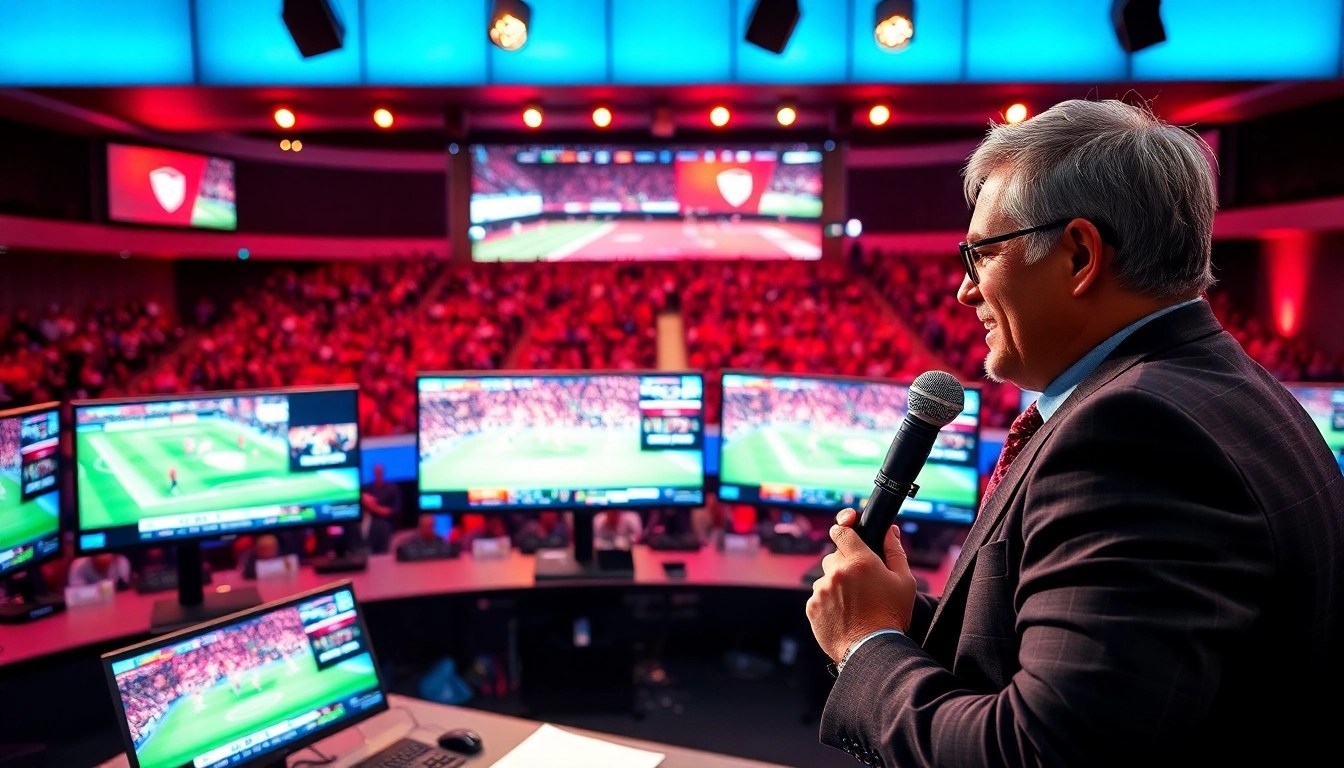
Understanding the Fundamentals of Sports Broadcasting
What is Sports Broadcasting?
Sports Broadcasting is the art and science of transmitting live sporting events to audiences through various media outlets, including television, radio, and online streaming platforms. This dynamic field encompasses a wide range of activities, from providing play-by-play commentary to offering in-depth analysis and insights into the game. It serves as a bridge connecting fans to the sports they love, fostering excitement and engagement. In today’s digital age, sports broadcasting has evolved, integrating modern technologies and innovative storytelling techniques to enhance the overall experience for viewers. Understanding this field requires a grasp of its core objectives, which include delivering accurate information, captivating audiences, and facilitating a deeper connection with the sports landscape. You can explore more about Sports Broadcasting to dive deeper into its significance and impact.
Key Roles in the Broadcasting Team
Within a sports broadcasting team, various roles contribute to the seamless presentation of live events. Understanding these key positions is essential for anyone looking to delve into this field. Here are the primary roles:
- Commentators: Often the most recognizable figures in sports broadcasting, they provide real-time play-by-play narration, capturing the excitement and nuances of the game.
- Analysts: Analysts bring their expertise to the table, offering insights into strategies, player performance, and game dynamics. They enhance the narrative by providing context and analysis during and after the event.
- Producers: Responsible for the overall production, producers coordinate logistics, manage technical staff, and ensure that the broadcast runs smoothly from start to finish.
- Camera Operators: They capture the action from various angles, working closely with directors to highlight pivotal moments during the event.
- Sound Engineers: Tasked with managing audio quality, sound engineers ensure that commentary, crowd noise, and other audio elements are balanced for optimal viewer experience.
Essential Equipment for Quality Broadcasts
Delivering high-quality sports broadcasts requires a range of specialized equipment. Investing in the right technology can significantly enhance the viewer's experience. Key equipment includes:
- Cameras: High-definition cameras equipped with zoom capabilities and stabilization technology allow broadcasters to capture detailed visuals of the action.
- Microphones: High-quality microphones for commentators and environmental mics to capture crowd noise contribute to an immersive audio experience.
- Switching Equipment: This allows seamless transitions between multiple camera feeds, enhancing fluidity and engagement during broadcasts.
- Graphics Software: Vital for displaying stats, scores, and player information, advanced graphics software enriches the viewing experience with real-time data.
- Broadcasting Software: Professional-grade broadcasting solutions enable live streaming, recording, and editing, ensuring flexibility and efficiency in production.
Techniques to Enhance Sports Broadcasting
Effective Commentary Styles
Commentary style can significantly impact how a sports event is perceived by the audience. Employing various techniques enhances the overall broadcasting experience, including:
- Descriptive Language: Utilizing vivid, descriptive words helps to paint a mental picture for the audience, making the action more engaging.
- Emotion and Enthusiasm: Effective commentators convey emotion, excitement, and enthusiasm, drawing viewers deeper into the spectacle of live sports.
- Contextual Analysis: Providing context for a play or decision helps viewers understand its significance within the larger framework of the game.
- Engagement with Audience: Commentators can enhance connection by occasionally acknowledging social media comments, fan opinions, and on-field interviews.
Live Reporting Challenges
Live reporting can be exhilarating yet fraught with challenges. Broadcasters must adeptly navigate issues that arise in real-time, including:
- Technical Failures: Equipment malfunctions, signal loss, or other technical glitches can disrupt broadcasts. Having backup plans and equipment is crucial.
- Unforeseen Events: Injuries or unexpected gameplay developments require the broadcaster to adapt quickly and maintain audience engagement without skipping a beat.
- Time Management: Broadcasters must manage their time effectively to provide balanced coverage and commentary without running out of airtime.
Engaging Audience Interaction
Successful sports broadcasting actively engages audiences beyond visual and audio elements. Techniques include:
- Social Media Integration: Live tweeting, polls, and audience shout-outs activate fan engagement, allowing them to feel part of the experience.
- Interactive Technology: Utilize apps and platforms that allow viewers to interact directly with commentary, such as choosing camera angles or submitting questions.
- Post-Game Analysis: Engaging audiences with post-game discussions, inviting fans to share their thoughts, encourages community input and interaction.
Trends Shaping the Future of Sports Broadcasting
The Impact of Digital Media
The rise of digital media has transformed how sports are broadcasted and consumed. Key aspects include:
- Access to Content: On-demand viewing options allow fans to watch games anytime, anywhere, significantly impacting traditional broadcasting models.
- Subscription Services: With many networks offering dedicated sports channels, subscription-based models have surged, offering exclusive content and features.
- Enhanced Viewer Experience: Digital platforms provide interactive elements, such as instant replays, customizable viewing, and multi-language commentary, heightening viewer engagement.
Emerging Technologies in Broadcasting
Technological advancements continue to revolutionize how sports are broadcast. Notable technologies include:
- Augmented Reality (AR): AR can overlay data and statistics onto live feeds, providing viewers with instant insights into gameplay and player performance.
- 360-Degree Cam Technology: This immersive technology allows users to control their view, experiencing the game from multiple angles as if they were on the field.
- Artificial Intelligence: AI systems can analyze games and players, creating predictive data models that enhance commentary and viewer insights.
Social Media's Role in Sports Coverage
Social media has dramatically reshaped sports coverage, influencing how events are reported and consumed. Key elements include:
- Real-Time Updates: Platforms like Twitter and Instagram allow for the rapid dissemination of scores, highlights, and updates, keeping fans informed in real-time.
- Fan Engagement: Sports broadcasters often leverage social media to connect with fans directly, creating polls, sharing user-generated content, and responding to comments.
- Influencer Partnerships: Collaborating with influencers can help broadcast teams reach wider audiences, creating innovative promotional strategies for games and events.
Best Practices for Effective Sports Broadcasting
Preparing for a Major Event
Successful broadcasts begin with thorough preparation. Key steps may include:
- Research: Comprehensive knowledge of teams, players, and recent performances ensures informed commentary and analysis.
- Rehearsals: Conducting trial runs with the team allows for smooth transitions during live broadcasts and helps familiarize everyone with their roles.
- Logistics Coordination: Planning for travel, equipment setup, and contingency measures is essential for smooth execution, reducing stress on the day of the event.
Creating Storytelling Opportunities
Every sports event is filled with stories waiting to be told. Broadcasters can enrich coverage by:
- Highlighting Player Backgrounds: Sharing personal stories about players can connect audiences emotionally to the event beyond just the game.
- Exploring Rivalries: Contextualizing games within the framework of historical rivalries can elevate viewer investment and excitement.
- Incorporating Fan Perspectives: Featuring fan reactions and stories can create a more engaging narrative, deepening the connection between the sport and its followers.
Analyzing Viewer Feedback
Constructive feedback from viewers is instrumental in refining broadcast strategies. Actionable insights can be gained by:
- Surveys and Polls: Encouraging viewers to voice their opinions on broadcast quality, commentary style, and engagement opportunities aids in identifying areas for improvement.
- Analytics Tools: Utilizing data analytics to assess viewer behavior and preferences can shape future programming and content strategies.
- Engagement Metrics: Monitoring social media interactions, view counts, and audience retention rates can help pinpoint successful and ineffective broadcasting elements.
Measuring Success in Sports Broadcasting
Key Performance Indicators (KPIs)
To evaluate the effectiveness of sports broadcasting efforts, it's essential to track specific KPIs, which include:
- Viewer Ratings: Monitoring viewer counts during live broadcasts helps gauge audience interest and loyalty.
- Engagement Rate: Assessing how actively viewers interact via social media and other channels provides insights into audience investment.
- Revenue Metrics: Tracking advertising revenue and subscription rates helps determine the financial health of a broadcasting network or platform.
Data-Driven Strategies for Improvement
Leveraging data is critical for enhancing the quality and effectiveness of sports broadcasts. Strategies can encompass:
- Behavioral Analysis: Analyzing viewer habits and preferences enables broadcasters to tailor content to meet audience needs effectively.
- A/B Testing: Experimenting with different commentary styles, graphics, and formats can help determine the most engaging approaches.
- Continuous Feedback Loop: Establishing a system of ongoing viewer feedback collection ensures adaptability in programming and presentation.
Adapting to Audience Demands
Staying attuned to changing audience preferences is crucial for successful sports broadcasting. Strategies include:
- Trend Analysis: Keeping abreast of shifts in viewing habits, such as the popularity of streaming versus traditional broadcasting, will help in making strategic decisions.
- Personalization: Offering personalized content based on viewer preferences increases engagement and enhances the overall experience.
- Community Engagement: Actively participating in community discussions and events can deepen audience connections and foster loyalty.
Frequently Asked Questions
What are the primary roles in sports broadcasting?
The primary roles include commentators, analysts, producers, camera operators, and sound engineers, each playing a critical part in the broadcasting process.
How has digital media impacted sports broadcasting?
Digital media has transformed access to content, enabling on-demand viewing, enhanced engagement through interactive features, and the rise of subscription services.
What technologies are revolutionizing sports broadcasting?
Emerging technologies such as augmented reality, 360-degree cameras, and artificial intelligence are enhancing viewer experience and broadcast efficiency.
How can broadcasters effectively engage their audience?
Broadcasters can engage their audience through social media integration, interactive technology, and by hosting post-game discussions that include fan input.
What indicators measure success in sports broadcasting?
Key performance indicators include viewer ratings, engagement rates, and revenue metrics, which help assess the effectiveness and financial health of broadcasts.